I want to make room for three different kinds of time: time to think, time to act, and time in which neither thinking nor acting needs to prove its usefulness. The first two fit comfortably into my understanding of habits. The third is harder to protect. Even when I call it rest, I can find myself assigning it a task.
A quiet evening is supposed to improve tomorrow’s concentration. A break is supposed to restore my energy. An unhurried afternoon is supposed to make the next working day more productive. These are reasonable possibilities. Yet when they become the conditions under which rest is permitted, something changes. The body is allowed to stop, but the examination continues.
I would like caring for my body to include time that does not have to earn a favorable result. This is not a rejection of effort or useful habits. It is an attempt to understand where their authority should end.
The Small Examination Attached to Rest
The language of recovery is reassuring because it gives stopping a purpose. Rest becomes a recognizable part of a larger plan, rather than an interruption to it. I can place it beside exercise, preparation, and practice, and feel that the whole arrangement makes sense.
There is genuine value in that view. Physical training includes periods of recovery, and sustained attention has limits. I do not need to deny these ordinary facts to notice the pressure that can grow around them.
The difficulty begins when I expect every pause to demonstrate its return. If I spend an evening quietly and still feel tired the next morning, the evening starts to look unsuccessful. If a break does not produce a clearer mind, I am tempted to reconsider how I took it. Perhaps I chose the wrong activity. Perhaps I stopped for too long, or not long enough.
At that point, I have carried the habits of assessment into the space that was meant to offer relief from them. Rest has acquired its own report card.
I recognize the attraction of this arrangement. A measurable benefit makes rest easier to defend, including to myself. But I do not want permission to care for my body to depend entirely on evidence that it will work harder afterward.
When the Body Becomes Equipment
A tool is maintained so that it can perform its function. A blade is sharpened, a battery charged, a machine serviced. The language is practical and often helpful. I use similar language about myself without giving it much thought: recharging, resetting, getting back to full capacity.
These comparisons describe part of the experience, but not all of it. A battery does not have an afternoon. A machine does not experience the warmth of a cup held between its hands. Maintenance has a purpose outside the machine; living also contains experiences whose significance lies in being lived.
When I think about exercise, my larger aims are to remain capable as I grow older and to feel more confident in my body. I care less about a particular appearance than about continuing to take part in ordinary life. That intention becomes oddly narrow if every bodily need is judged only by its contribution to future performance.
I am not separate from the body I am trying to manage. Its tiredness is not merely a maintenance notice delivered to an operator. It is part of my experience of being alive.
This seems simple when written down. In practice, I can still treat comfort as a reward that must follow sufficient effort. I would rather learn to regard some comfort as an ordinary part of care.
What a Record Can and Cannot Hold
Records are useful because they make otherwise vague patterns visible. A training notebook can show what I have done. A calendar can reveal how crowded a week has become. Without some record, memory can turn an impression into a misleading account.
I do not want to abandon these tools. I want to keep their descriptions from becoming verdicts.
A recorded duration tells me how long an activity lasted. It does not fully describe what that time was like. Forty minutes sitting quietly might contain ease, boredom, impatience, or a mixture of all three. The number can remain accurate while leaving much of the experience outside its frame.
The distinction matters because a record can quietly become a target. Once I begin counting restful minutes, I may start trying to accumulate them efficiently. Once I expect a certain feeling afterward, I may keep checking whether that feeling has arrived. The checking itself becomes another small occupation.
There is something almost comic in trying to become accomplished at having nothing to accomplish. Yet the impulse is familiar to me. I value habits and time, and so I reach for the tools that help me organize them.
For rest, I may need a lighter touch. I can make space in the day without requiring a detailed account of what the space produced.
A Place Outside the Plan
One principle I keep trying to practice is separating the time for deciding from the time for doing. I want to consider the whole picture, choose what matters, and then act without reopening every decision. I am still learning to do this consistently, but the distinction seems useful.
Rest reveals a limit to that principle. If I turn every part of the day into either planning or execution, the plan becomes too complete. Even leisure can become an assignment carried out under instructions from an earlier version of myself.
I do not think the alternative has to be a wholly unstructured life. Some boundaries may help: finishing a task at a chosen point, leaving an interval uncommitted, accepting that an evening need not contain a second shift of personal improvement. Structure can protect an opening without determining everything that happens inside it.
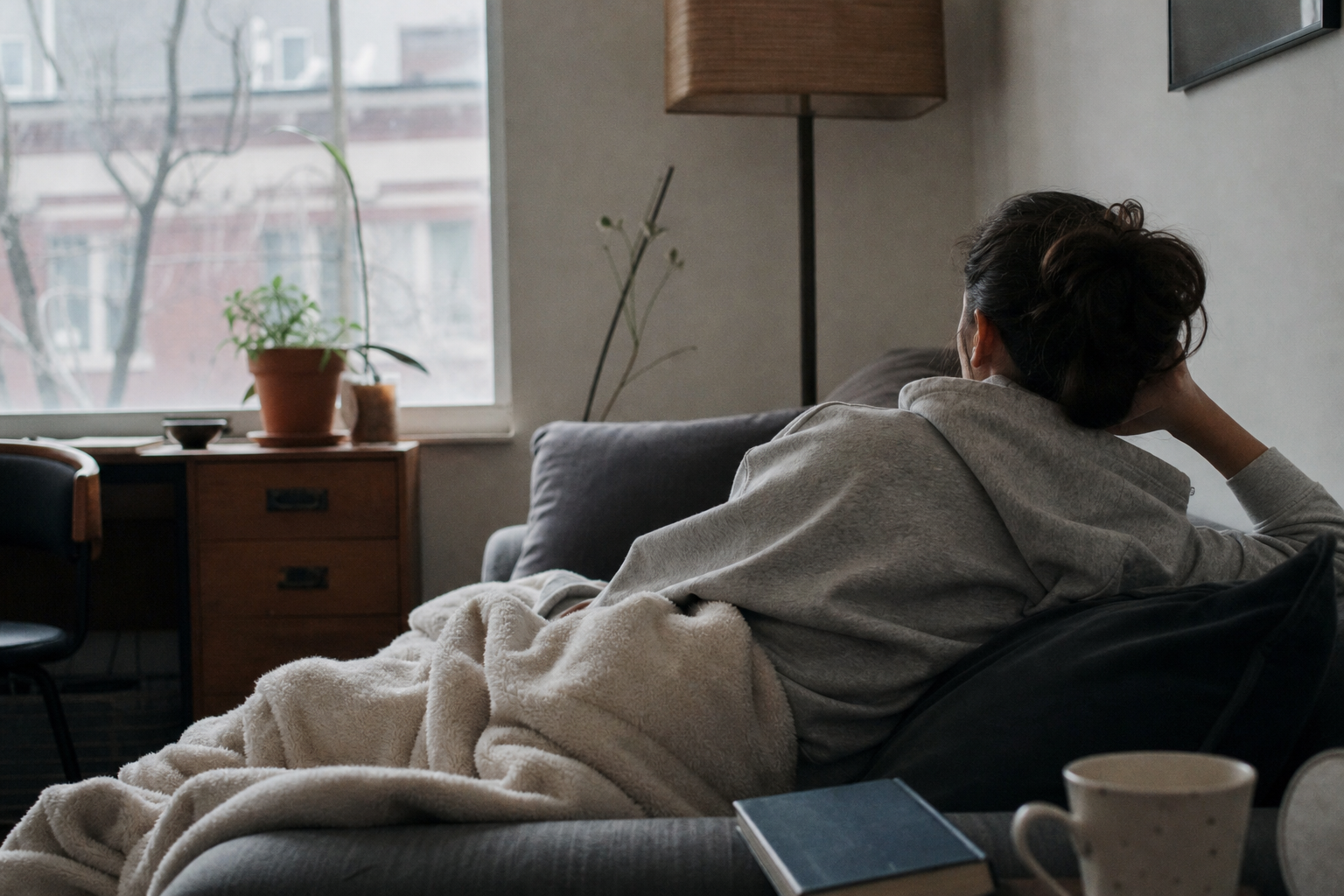
Within that opening, I would like to leave room for preference. Sitting down because I feel like sitting down. Reading a few pages without deciding what I should retain. Looking out of the window without converting the experience into an attention exercise.
These activities may turn out to be refreshing. They may also feel uneventful. I would like both possibilities to remain acceptable.
The distinction is not between useful activities and useless ones. It is between doing something freely and requiring it to submit evidence afterward. The same cup of tea can belong to either arrangement.
Care Without a Performance Condition
I do not expect this way of thinking to remove my wish to use time well. That wish is deeply connected to the life I want: making things, learning, exercising, and remaining curious enough to try unfamiliar activities. Rest does not have to oppose any of that.
What I want to loosen is the bargain that makes care conditional on achievement. A body that has done little today can still deserve consideration. An afternoon that produces no insight can still belong in a worthwhile life. I find these thoughts easier to accept in principle than to allow in my own schedule.
There are practical limits to this reflection. Rest is not a diagnosis or a substitute for appropriate care. This essay is a personal reflection, not medical advice; decisions concerning illness or medication belong in consultation with a physician.
Within those limits, there remains an ordinary matter of how I inhabit my days. I can value effort without asking it to authorize every pause. I can keep records without making them the final account of my experience. I can hope that rest supports tomorrow while allowing it to have a place today.
Perhaps the modest practice is to let an interval end without grading it. The chair is left, the cup is washed, and the evening continues. Nothing needs to be entered in the column marked achievement.
I am still learning to leave that column blank.
This essay reflects my personal thoughts and experience. It is not medical advice. Please consult a qualified professional about your health.